
What stopped you getting in?
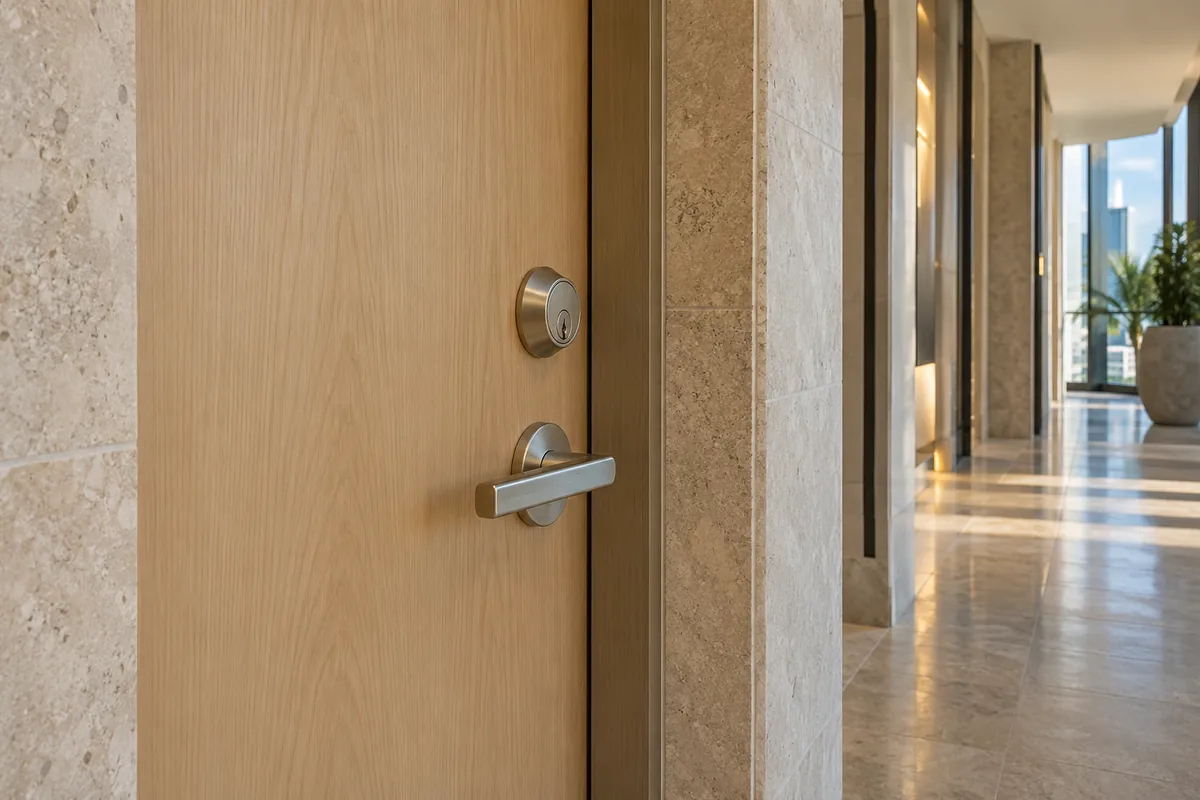
A door that closed behind you needs a different description from a key that snapped or a handle that stopped moving. Say which happened and whether the lock had been behaving differently earlier.
Mention a spare that someone can bring, even if you have not reached them yet. Avoid poking tools or another key into a lock containing a broken piece.
Name the last door in the route
“Outside the building” and “outside my apartment” can mean very different access problems. Give the affected entrance, then explain how an authorized visitor can reach it. Include a tower, floor or unit if relevant.
If the issue is a shared building entrance, involve the responsible building contact. The keys and responsibility guide helps separate that entrance from a private unit.
Make the meeting point clear
You do not need to wait beside a busy driveway or in an uncomfortable hallway. Choose somewhere safe and tell us how to reach you there.
For a car, keep its actual parking position separate from your waiting point. Give details you know, and say which are uncertain rather than guessing another entrance. If someone is in immediate danger, call emergency services first.
Decide what happens after entry
Opening a door may solve today’s problem, while an unreliable lock or missing key may need a second decision.
Ask what the access work includes and whether a repair or key change is separate. Check the proposed approach, current availability and the full estimate before agreeing. If the condition of the lock calls for a different approach, ask for that change to be explained.